

The results of the 2025–2026 investigations were presented in Torre del Greco: frescoes with winged ichthyocentaurs, capitals, leaden cistae, and a construction site active at the time of the 79 AD eruption.
A study day dedicated to the results of the archaeological investigations conducted by the Herculaneum Archaeological Park at Villa Sora during the 2025–2026 campaign was held at Palazzo Vallelonga in Torre del Greco. The event—promoted as part of the 2026 European Archaeology Days—was organized in collaboration with the Municipality of Torre del Greco and the Banca di Credito Popolare di Torre del Greco, with the scientific coordination of Domenico Camardo, Marina Caso, and Federica Colaiacomo, Director of the Herculaneum Archaeological Park.
Villa Sora—a residential complex dating from the late Republican and early Imperial periods, overlooking the Gulf of Naples in Torre del Greco—ranks among the most sumptuous *villae otii* (leisure villas) of the senatorial and imperial elite built along the Campanian coast. Constructed around the mid-1st century BC and subsequently modified, the complex extended along the shoreline with a dramatic layout featuring terraces that stepped down toward the sea, covering an estimated length of approximately 150 meters. The 2025–2026 investigations—launched in November 2025—represent the first systematic study of the site in over thirty years; they were made possible by €150,000 in funding as part of the national archaeological excavation campaign promoted by the Ministry of Culture’s General Directorate for Museums (with a total 2025 allocation of €4.8 million).
Opening construction sites and laboratories to the public, sharing discoveries as they emerge: this is the profound meaning of the European Archaeological Days and the Park’s commitment to Villa Sora. The investigations of this campaign yield extraordinary data on the architectural and decorative quality of the villa, confirming its exceptional standing among luxury residences in the Gulf of Naples.
Federica Colaiacomo, Director of the Herculaneum Archaeological Park
The excavation test: objectives and method
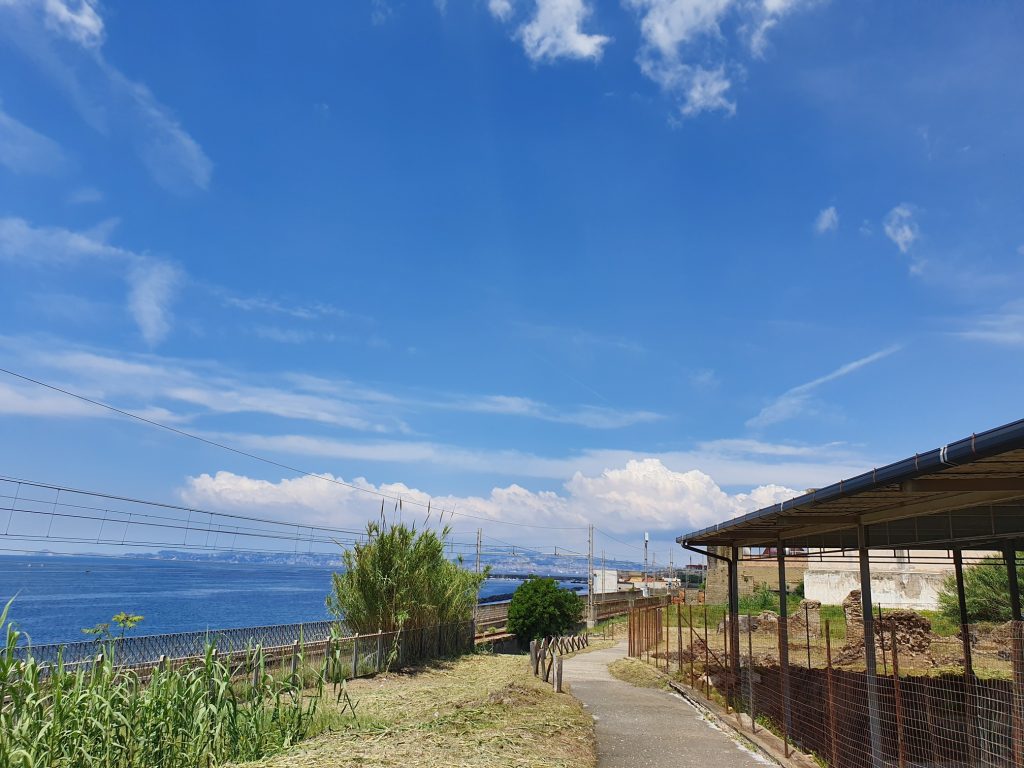
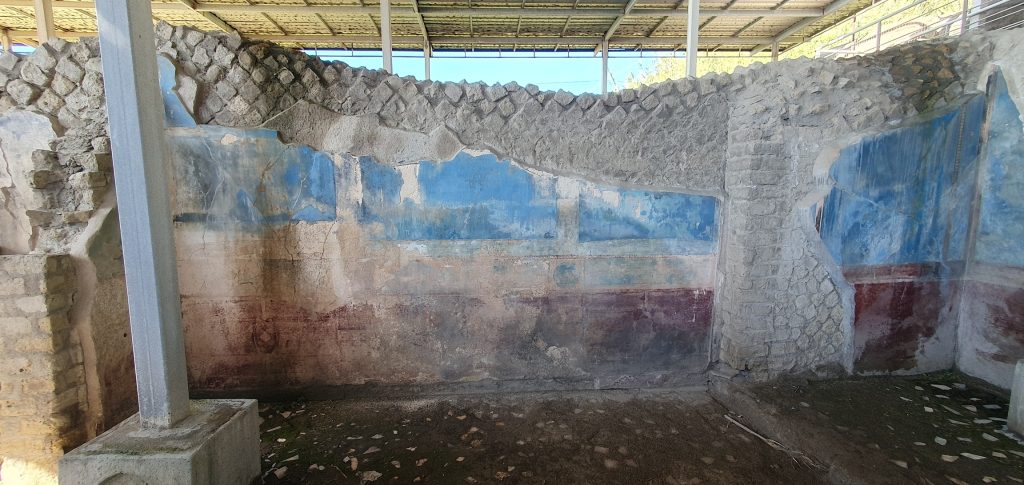
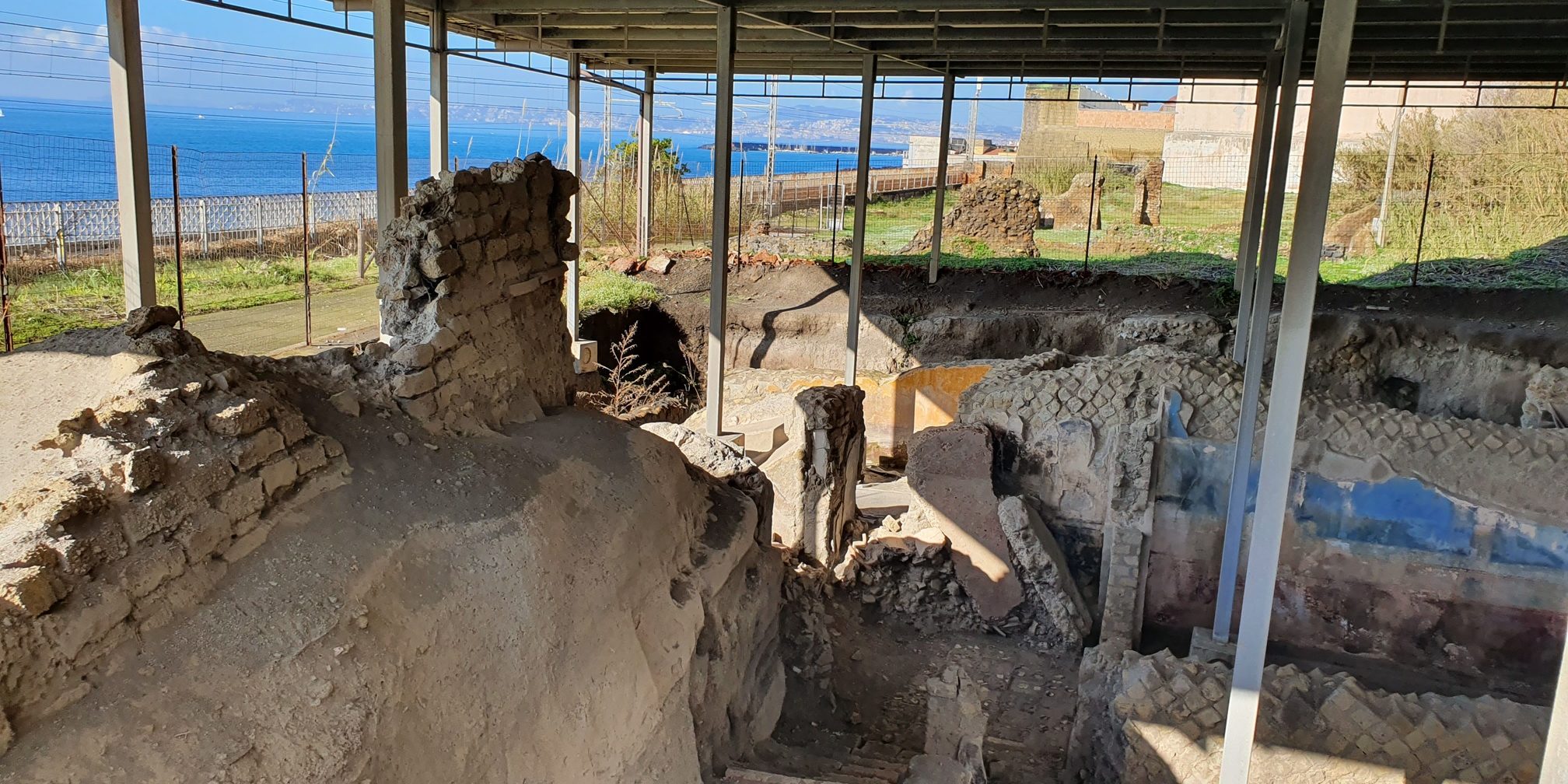
The investigations began with the need to secure the northeast face of the sector already open-pit excavated between the 1980s and 1990s, while also seizing the opportunity to expand knowledge of the complex. The work focused on Room 22—small in size (approximately 10 square meters) but of exceptional decorative quality—already partially visible through a tunnel. The work also expanded the visitable area by extending the roof and relocating the walkway. Stratigraphic analysis has allowed a clear reconstruction of the sequence of destructive events in 79 AD: pyroclastic flows struck the structures, causing the collapse of the roofs and ceiling, and the subsequent collapse of the walls.
The discoveries
The pictorial decoration
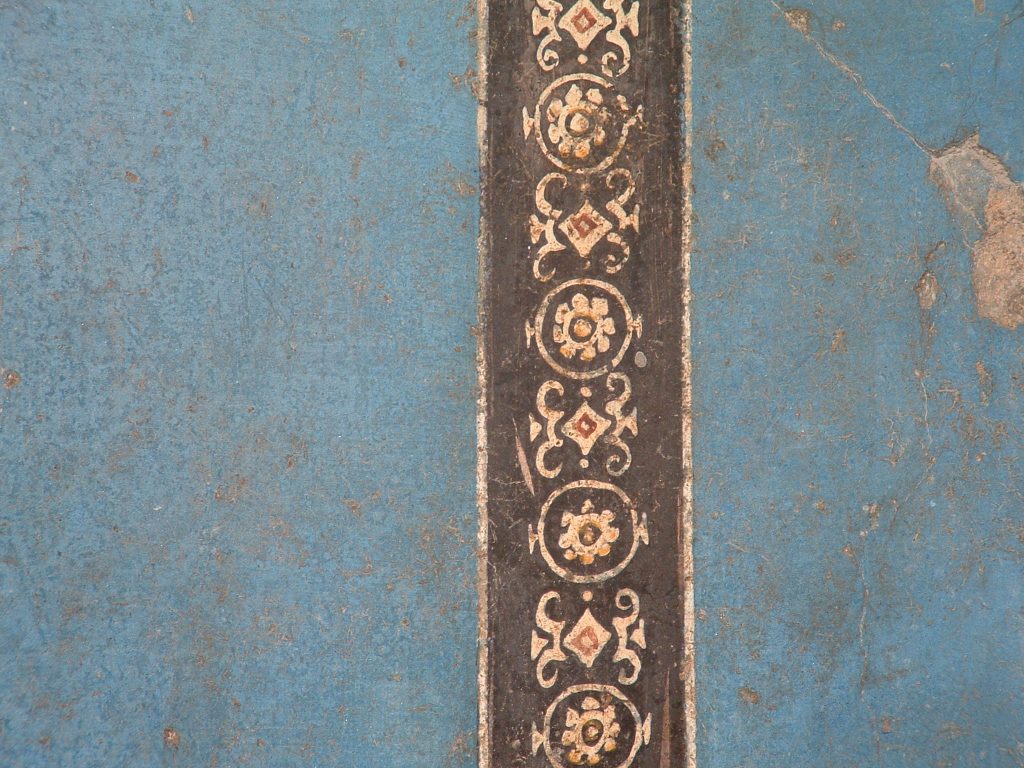
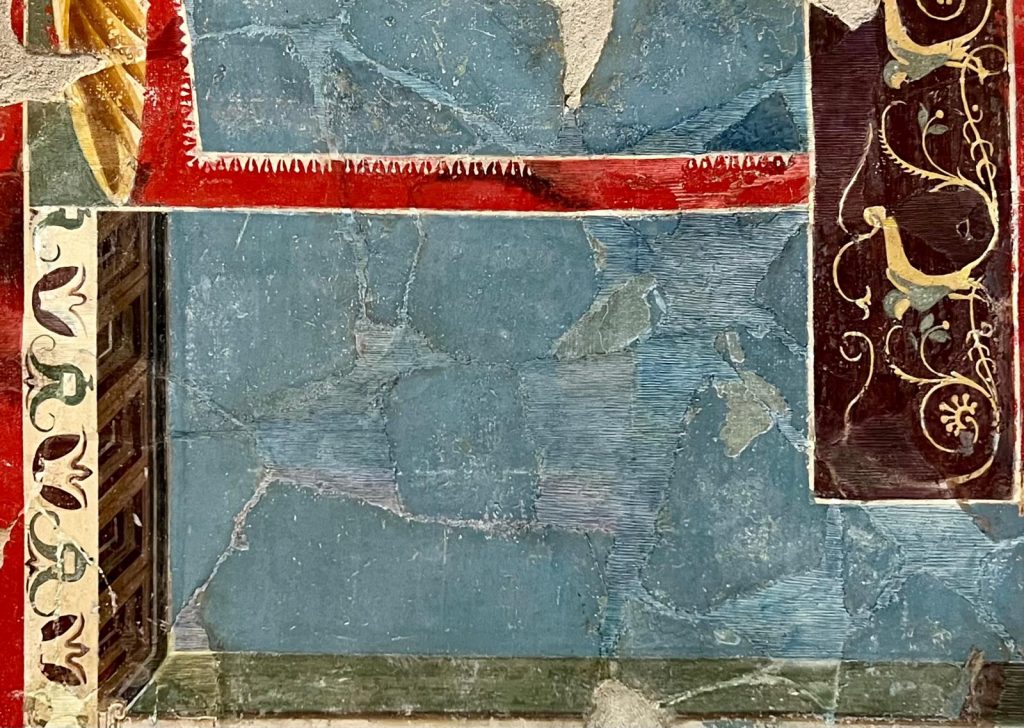
The numerous fragments of frescoed plaster on the walls and ceiling attest to a highly refined decorative program. Preliminary analyses place the production in a figurative style around 50 AD: a workmanship that expresses singular creative innovation.
The black-background walls, punctuated by cinnabar bands, feature a motif of a gold metal candelabra animated by herons: figures of extraordinary naturalistic rendering inserted into a decorative scheme of refined elegance. The light-colored ceiling was adorned with garlands, friezes, and mythological figures, including griffins, inserted into a rich ornamental repertoire.
Among the most exceptional finds, the ceiling fragments recompose the figure of a winged ichthyocentaur: a depiction of exceptional iconographic uniqueness, treated not as an accessory ornament but as a protagonist, rich in chiaroscuro and highlights, in a dynamic and plastic pose of significant scenic impact.
The capital, the cistae and the villa under construction
Inside the room were three finely decorated leaden cistae, attributable to the same workshop, along with high-quality white marble architectural elements. Among these, the Corinthian capital with a lyre-shaped motif stands out. It was found in a surprisingly good state of preservation, entirely carved by hand and attributable to the figurative language of the Augustan age. The quality of the workmanship and the presence of additional marble fragments clearly indicate the intentional storage of elements intended for ongoing construction work: the villa was under construction at the time of the eruption in 79 AD.
Outlook and next steps
The results of the 2025–2026 campaign confirm the exceptional status of Villa Sora and open new avenues for investigation. Data processing is ongoing, with particular attention to reconstructing the frescoed fragments and interpreting the ceiling’s decorative program. Future campaigns will focus on expanding the excavation and creating new visitor itineraries.