

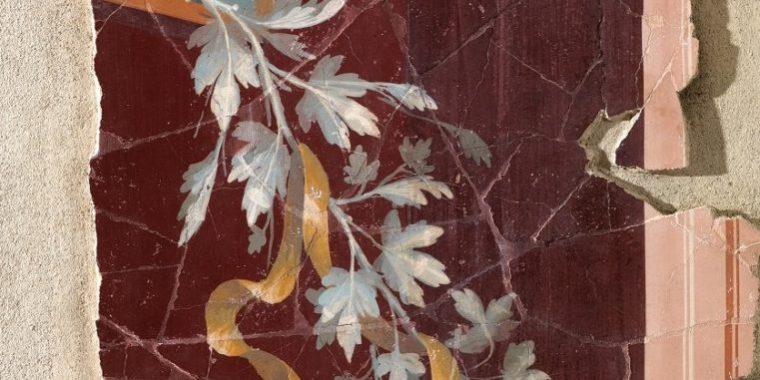
For several years, the Herculaneum Archaeological Park has been experimenting with a richer and more complete visitor experience, with a view to creating a new on-site museum. Starting October 30th at 1:00 PM, the permanent exhibition “SplendOri. Luxury in Ornaments in Herculaneum” will offer a glimpse of new and invaluable artefacts, including masterpieces from the Villa of the Papyri and other public and private buildings, presented to the public in their original location, sometimes for the first time.
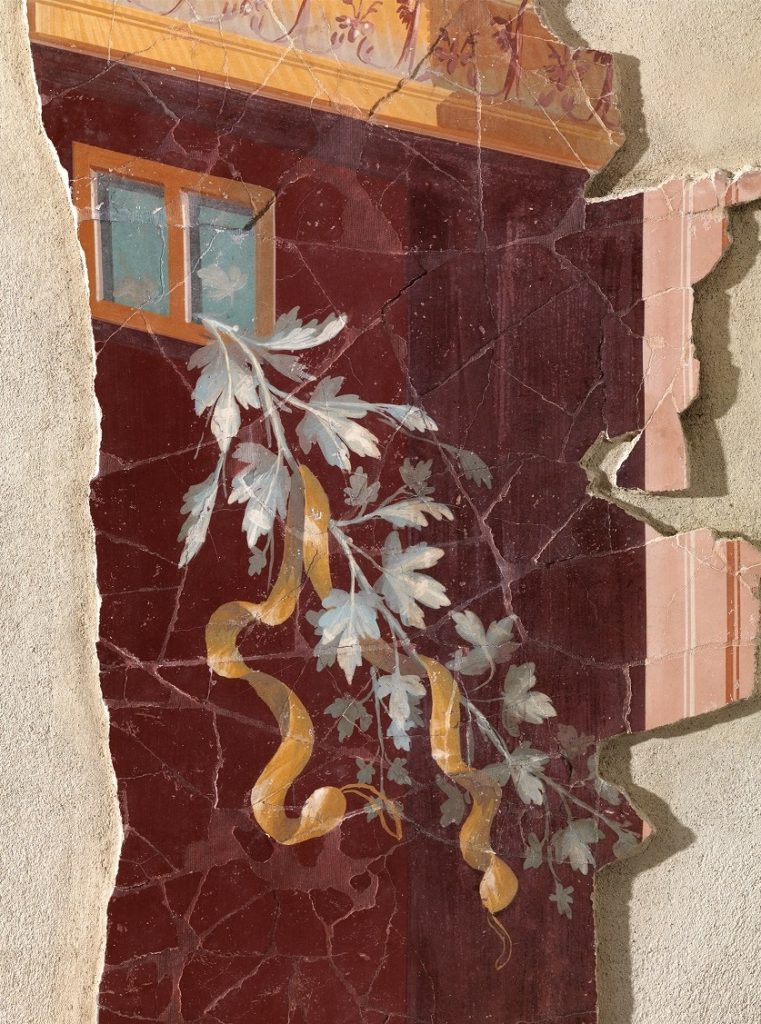
“The heritage we wish to share with our audience is expanding,” says Director Sirano, “to explore together the theme of luxury and quality of life that characterized the culture of Herculaneum, not only for the ruling classes but also for other social classes who, according to their means, adhered in some way to a sort of philosophy of good living. At the pinnacle of this system of values is undoubtedly the Villa of the Papyri, whose owners belonged to one of the most illustrious families in Rome. But even the decorations from luxurious homes like the Villa of the Cervi lead us to a system of aesthetic values that does not entirely overlap with our own. Indeed, even more extraordinary, in my opinion, is the painting of cupids around a tripod, executed as a fresco but with a wooden frame that made it easily transportable. This splendid painting was embedded in a wall of what today we would call a two-room apartment located above a shop on the Decumanus Maximus. In such a small space, who would have thought of it? he lived in, he wished to be surrounded by wooden furniture and a painting of such fine workmanship.”
For the first time, artifacts returning to the Park after having been featured in prestigious international exhibitions and shows are presented together in an accessible language, representing true ambassadors of Herculaneum’s cultural heritage.
Also returning to the exhibition is the bronze fountain depicting the Lernaean Hydra, the many-headed serpent monster that Hercules faced in the second of his twelve labors. The Herculaneum Hydra—located at the center of the cross-shaped pool in the central courtyard of the Palestra—seems inspired by a famous Roman monument, mentioned by the Latin writer Festus: the Hydra fountain that adorned the Lacus Servilius in the Roman Forum, donated by Agrippa, a friend and faithful collaborator of Emperor Augustus.
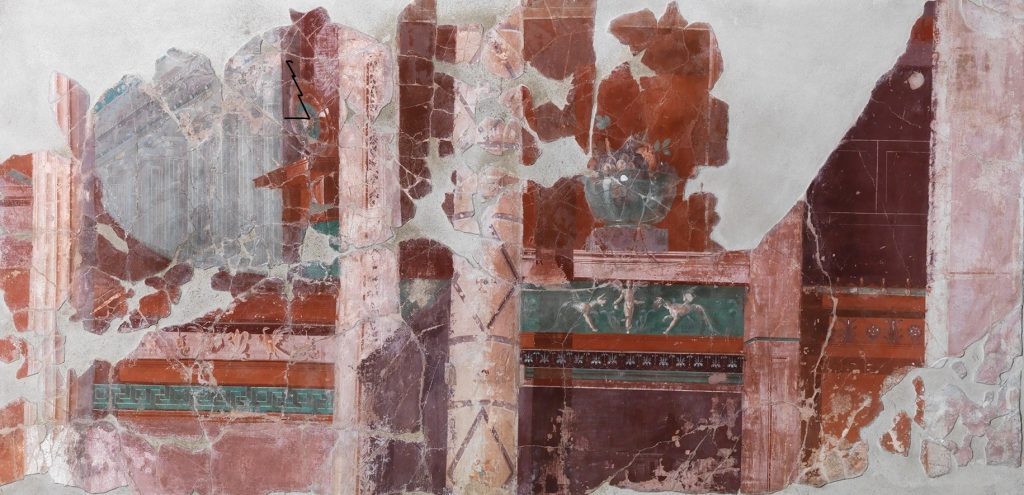
The visit is enriched by the exhibition of a fresco depicting Cupids playing in a sacred setting dedicated to Apollo, created in ancient times within a wooden frame and inserted into the wall of an apartment on the Decumanus Maximus.
Not only the two statues that give the house its name come from the House of the Deer, but also a drunken Hercules, a Satyr with a wineskin, and other garden furnishings.
The November long weekend is a great opportunity to visit the Park and visit its sensational artifacts, taking advantage of the double number of free admission days. The Park opens its gates free of charge on Saturday, November 4th, National Unity and Armed Forces Day, and on Sunday, November 5th, when the ministerial #domenicalmuseo initiative returns.